
Laser Treatments
Laser Treatments Treatment
Laser Treatments Treatment Statistics and Key Information
- Patient Satisfaction Rate
- 95%
- Average Treatment Cost
- See provider pricing
- Number of Reviews
- 95398
- Treatment Downtime Duration
- Varies by treatment
- Number of Available Practitioners
- 1251
Overview
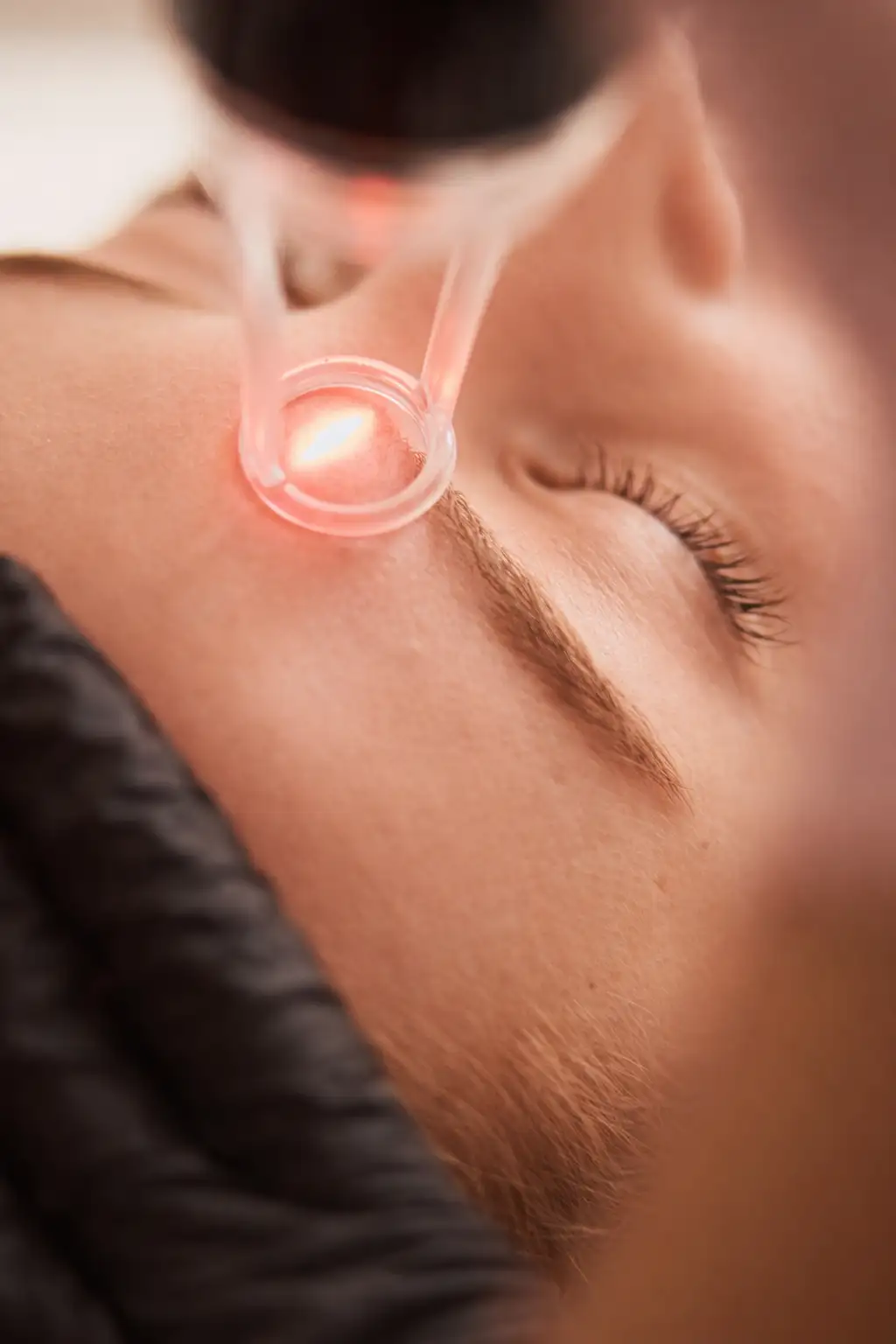
Laser treatments are a broad category of cosmetic and medical procedures that use concentrated light energy to interact with tissue in a controlled way. Clinics use different kinds of lasers for things like resurfacing skin, reducing pigmentation, treating scars, tightening skin, or even hair removal. The laser light is absorbed by specific targets in your skin (melanin, water or blood vessels) to either destroy unwanted tissue, remove top layers of skin, or heat deeper layers to trigger a healing response and boost collagen production. ([turn0search0], [turn0search8])
Goals of Laser Treatments treatment
- Improve texture and smoothness of skin
- Reduce fine lines, wrinkles and signs of ageing
- Target pigmentation concerns like sunspots or melasma
- Treat acne scars and other superficial scars
- Stimulate collagen for firmer, younger-looking skin
- Remove or lighten unwanted features like certain pigments or lesions
Treatment Options
- Topical skincare (retinoids, acids) can help surface texture but doesn’t reach deeper collagen like lasers can.
- Microneedling stimulates collagen too but in a mechanical way rather than light energy; some people do both for synergy.
- Chemical peels remove surface layers but can’t always target deeper pigmentation or scars as precisely as certain lasers.
- Injectables like fillers or Botox address volume and muscle movement, not the underlying tissue renewal lasers aim for.
Pros
Cons
Candidate & Preparation
Who is a Good Candidate
How to Prepare for Appointment
- Avoid excessive sun exposure before and after treatment to reduce pigmentation risks.
- Stop certain exfoliants or retinoids a few days before as advised by your clinician.
- Discuss all medications and skincare products you use with your practitioner.
- Some deeper laser procedures may need numbing or sedation planning.
Appointments & Safety
What Happens During Appointment
- Initial consultation to assess skin, concerns and skin tone and decide on the best laser type.
- Treatment day includes thorough cleansing, protective eyewear, and often cooling or numbing depending on intensity.
- The laser device is applied over the treatment area; session length depends on area size and laser type but typically ranges from 15 to 60 minutes.
- Aftercare guidance and sometimes soothing or protective creams are applied.
Cost & Access
Typical Prices
- Laser facial treatments often start from GBP 150-GBP 300 per session depending on area treated and clinic.
- More advanced resurfacing with ablative CO2 or fractional lasers can cost GBP 500-GBP 2,000+ per session.
- Hair removal sessions typically range GBP 40-GBP 200 per area per session, with multiple sessions recommended.
- Package deals (multiple sessions) sometimes cost GBP 600-GBP 3,000 or more for comprehensive programmes.
Why Prices Vary
- Type of laser technology used (ablative, non-ablative, fractional etc)
- Size of the treatment area and number of sessions recommended
- Clinic reputation and location (London often costs more)
- Practitioner training and experience
- Whether pre- and post-care is included in the quoted price
What to Look for When Choosing a Doctor or Clinic
- Choose someone with specific laser training, ideally a medically trained clinician or dermatologist familiar with skin of different tones.
- Ask about the specific laser system they use and why it’s appropriate for your concern.
- Look for clear before/after photos from real cases similar to yours.
- Transparency about risks, expected sessions, costs and aftercare is crucial.
- Check that equipment and safety protocols are up to date (eye protection, cooling, settings for skin type etc).
Qualifications Practitioner Should Have
Results & Maintenance
How Long Results Last
Results depend on the type of laser and your own skin ageing process. Some changes like smoother texture or lighter pigmentation can last months to years, but ageing and sun exposure continue, so maintenance or repeat sessions may be needed. More aggressive lasers tend to have longer effects but more recovery. ([turn0search10])
Maintenance Requirements
Yes. Many laser treatments (especially non-ablative or fractional treatments) are done in a series of sessions spaced weeks apart. For ongoing maintenance of results, annual touch-ups or periodic follow-up sessions often help sustain benefits.
Regulation & Guidelines
What to Do If Something Goes Wrong
Regulation
Medical lasers and devices are regulated in the UK (e.g., by MHRA guidance on safe use), and clinics providing higher-risk procedures should have appropriate healthcare registration. Bad practice by unqualified operators has been a concern, with reports pushing for stricter regulation and licensing of cosmetic procedures. ([turn0search1], [turn0news21])
Complaints
If you have an adverse reaction, contact the clinic promptly, document your symptoms, and escalate to clinical regulators or local authority health protection if needed.


